There are two primary ways to initiate a roll forward:
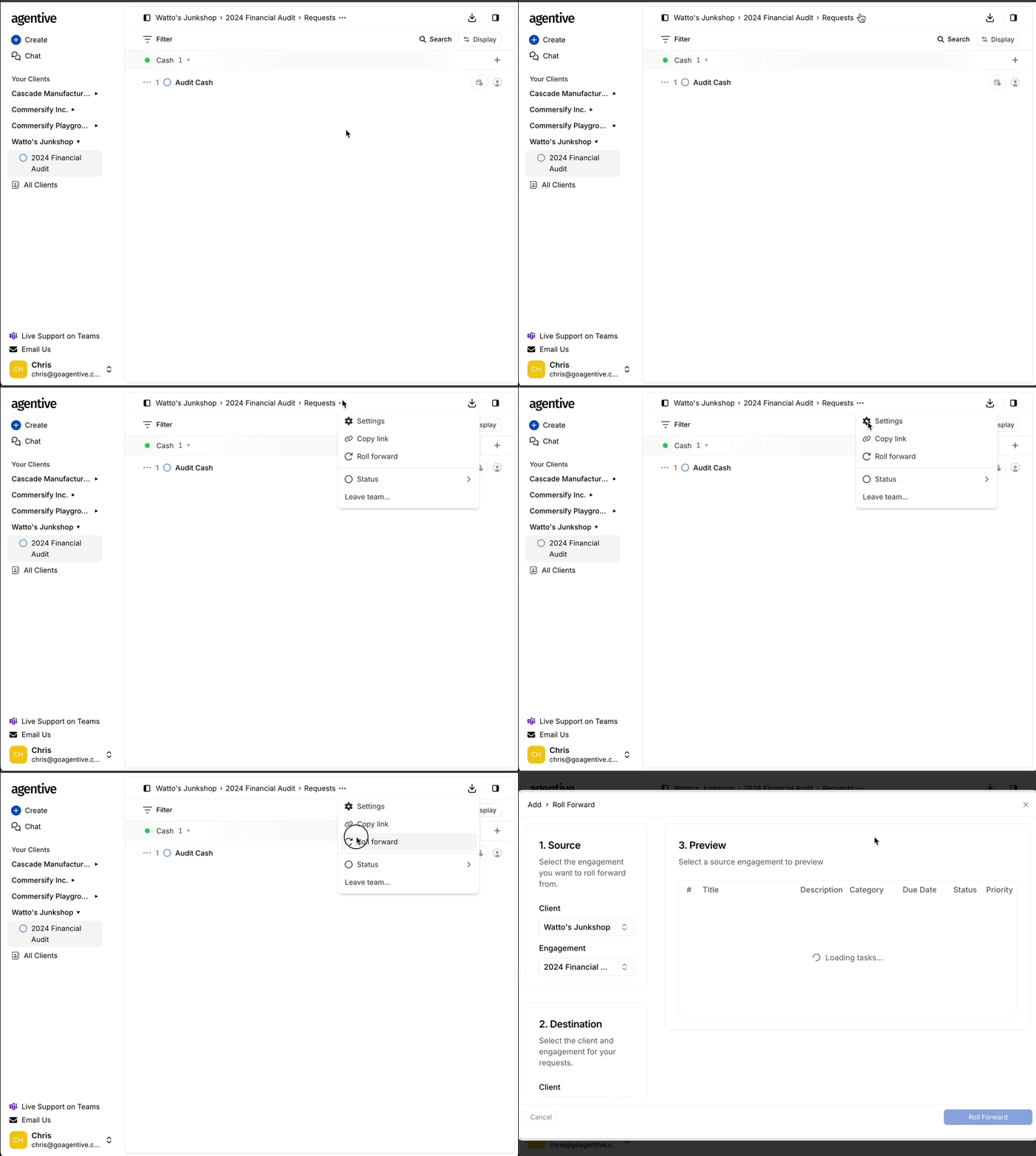
Method 1: Engagement Context Menu
This is the fastest method when you are already working within the engagement you want to copy.
-
Find the navigation bar at the top displaying the Client Name and Engagement.
-
Click the Three-Dot Menu (...) icon.
-
Select Roll Forward from the dropdown.
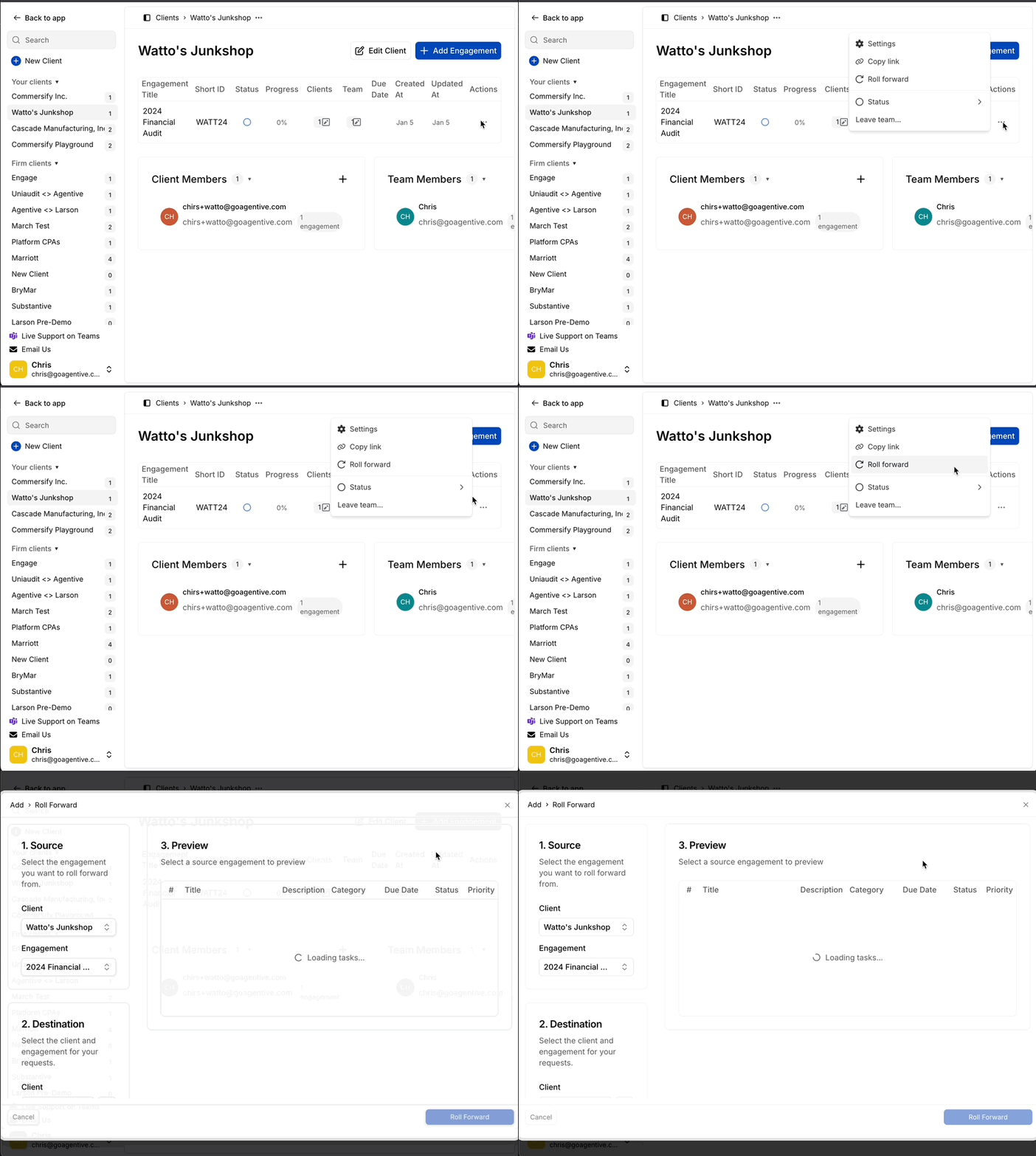
Method 2: Global Add Menu
Use this method if you want to roll forward an engagement other than the one currently open.
-
Click the (+) icon to the right of the firm's logo.
-
Select Roll Forward an Engagement from the list.
-
Choose your source engagement from the dropdown menu.
Configuration Steps
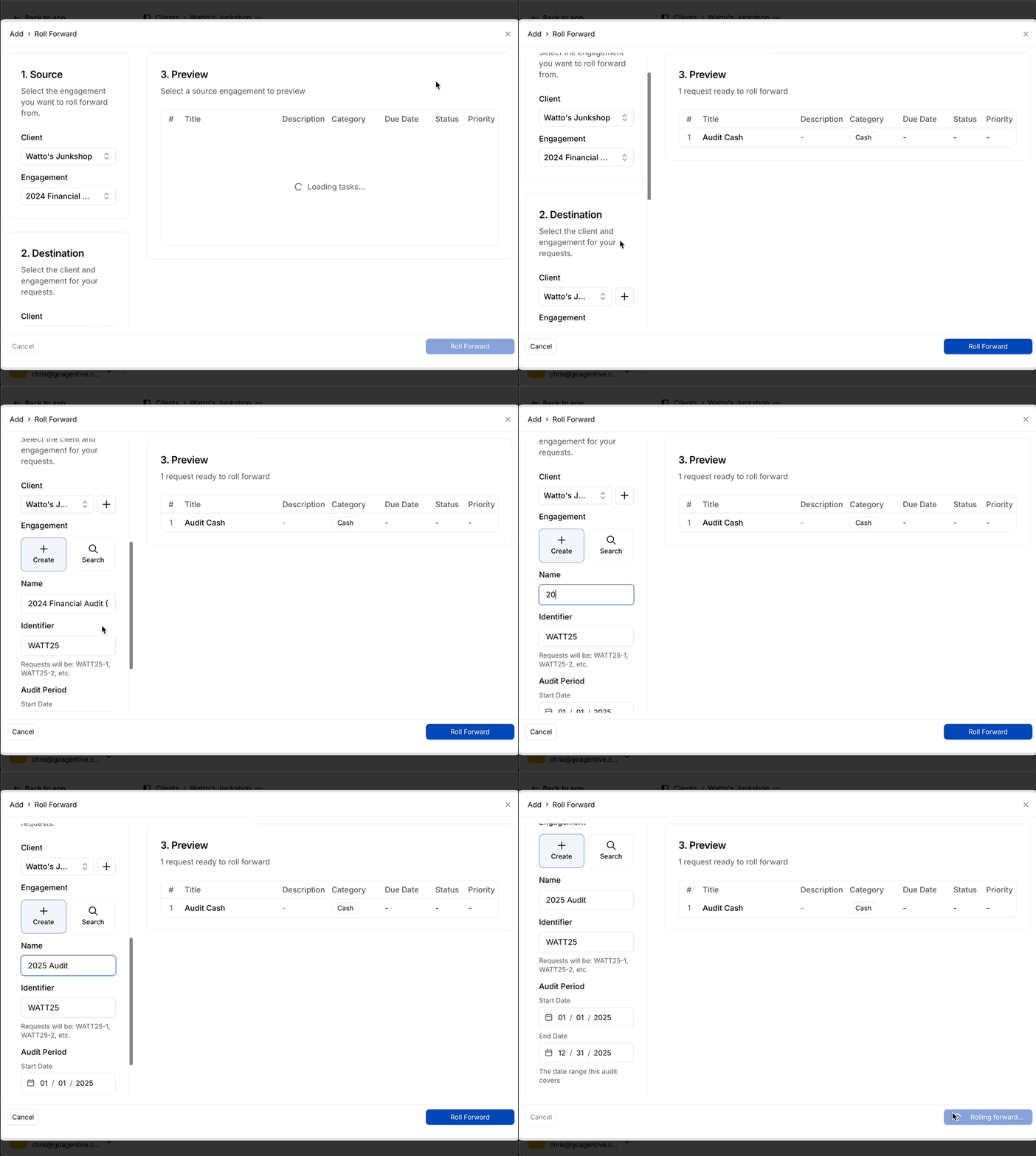
1. Review Source and Select Destination
-
Source: Confirm the correct client and engagement are selected.
-
Destination: Select the target client. You can roll forward to the same client for recurring audits or a different client to use an existing workflow as a template for a new one.
2. Define Engagement Identity
-
Name: Enter the new engagement name (e.g., Financial Statement Audit 2026).
-
Identifier: Enter a short code prefix. This must be unique within the destination client.
3. Set the Audit Period
Click the Calendar icons to define the start and end dates for the new audit. This ensures date-sensitive automations and formulas calculate correctly.
What Rolls Forward?
Included (Elements Copied)
All structural and configuration elements copy over, giving you a complete framework to start the new engagement:
-
Engagement Structure: Categories, custom variables, status workflow settings, and board configurations.
-
Requests and Tasks: All request titles and descriptions, request properties (priority, category, etc.), and internal tasks.
-
Workpaper Templates: Table structures, document group configurations, AI prompt definitions, formula columns, and matching rules.
-
Automation Settings: Validation rules, Deep Analysis questions, and custom column definitions.
Not Included (Elements Reset)
Historical data remains in the source engagement for compliance and reference, providing a clean slate for new evidence:
-
Historical Data: Uploaded documents, file attachments, supporting evidence, and previous year workpapers.
-
Activity and Comments: Request comments, discussion threads, activity history, and audit trails.
-
Team Assignments: Auditor assignments, client contact assignments, and lead roles.
-
Execution Results: AI prompt responses, formula calculation results, document matching results, and validation outcomes.